Forests are doing more for you than your morning coffee or tea ever could, without a single conversation to interrupt the silence you wish you had in your morning routine.
We’ve all heard the saying,
“Forests are the lungs of the earth.”
I mean, the saying has been around for about a century - no kidding. I get it, the saying covers a lot of ground here… it is memorable and simple.
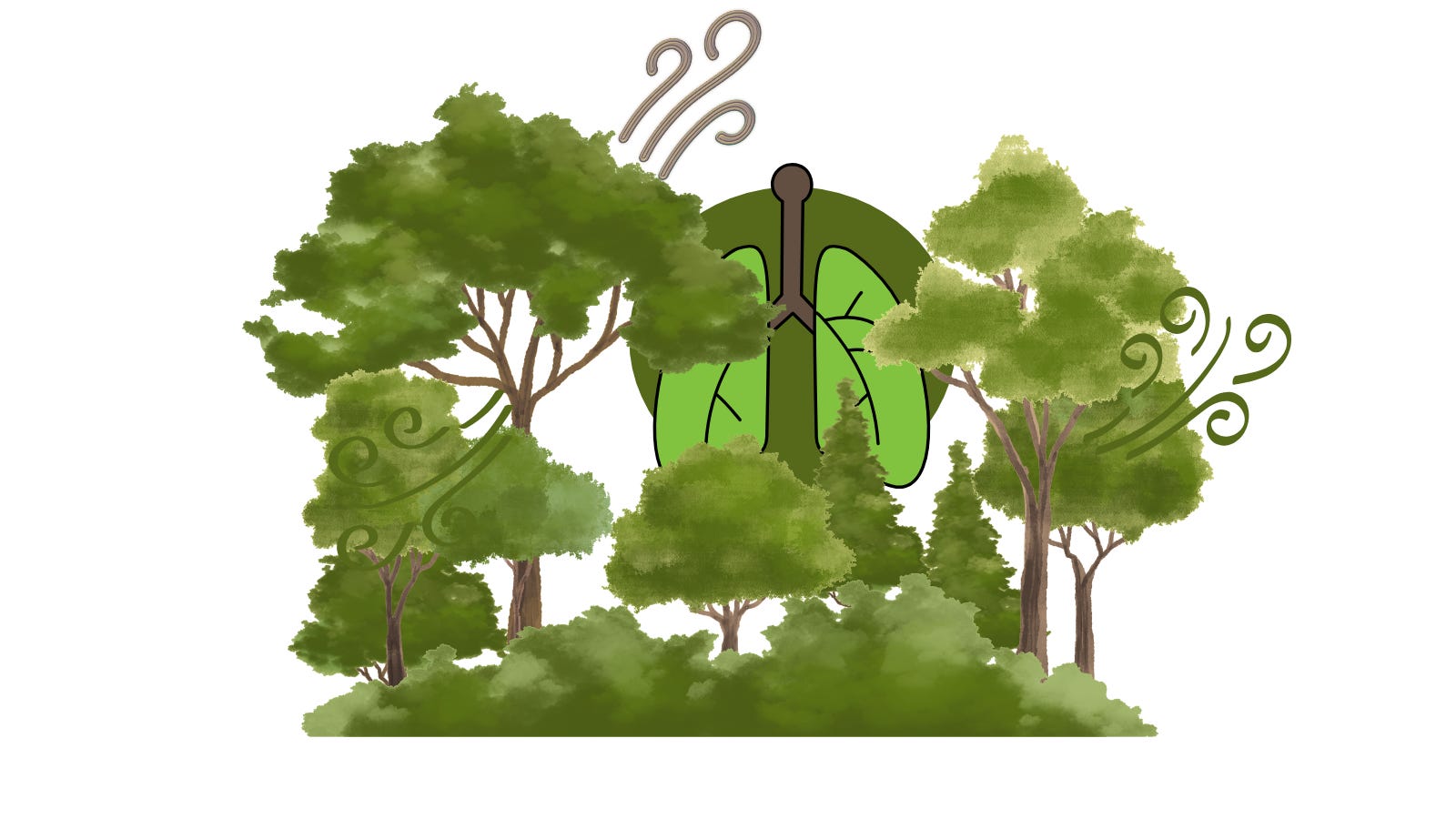
Much like the lungs take in oxygen and release carbon dioxide, forests -the plants- take in carbon dioxide and release oxygen. Fun fact, they also use oxygen and release carbon dioxide, especially at night.
But forests do way more than we give them credit for.
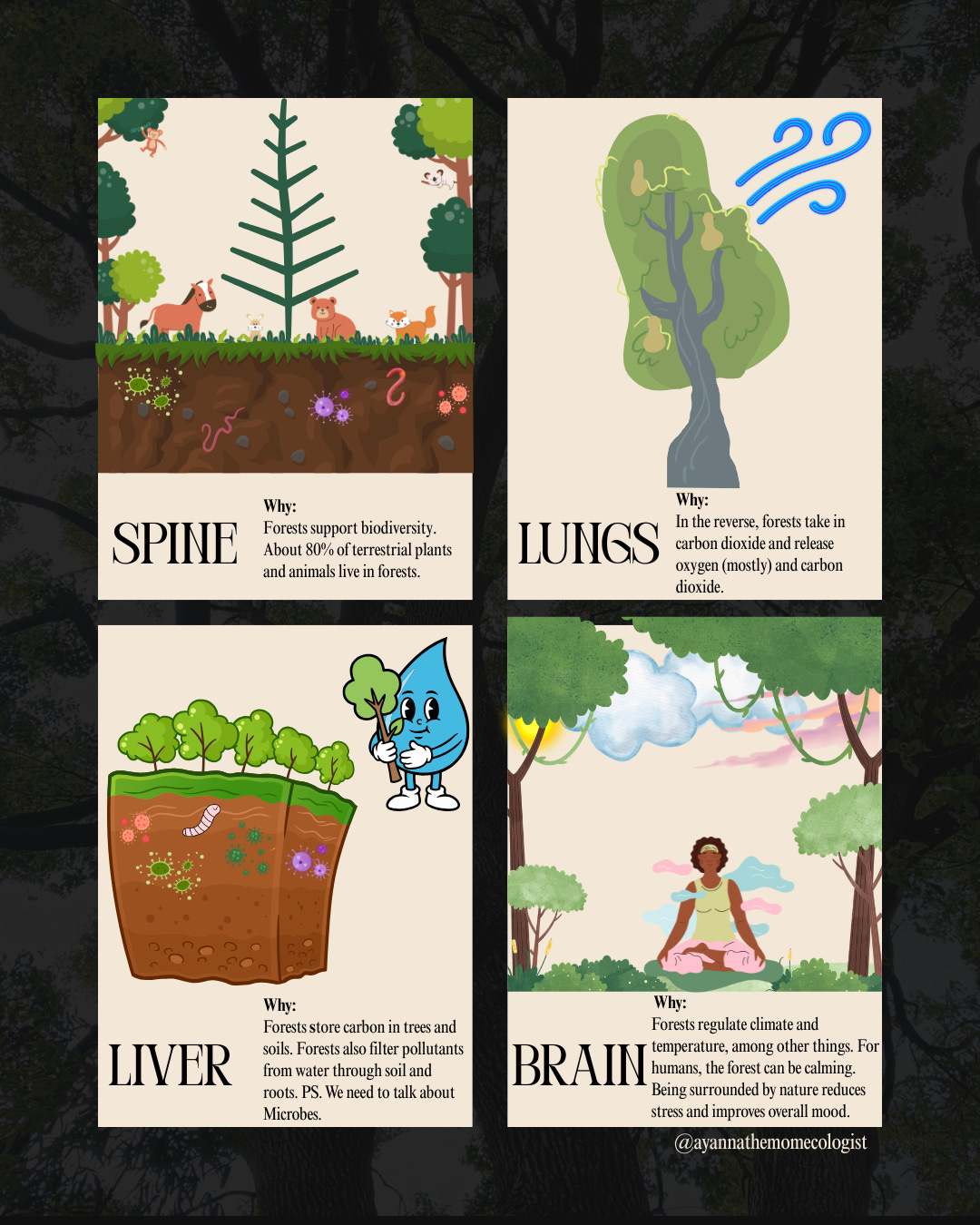
As an ecologist who has done most of her work in forests, I’ve had many years to sit with this idea. The more I think about it, referring to forests as just the lungs of the earth seems like a rather incomplete picture. Looking at other parts of the body can give a more complete idea of the forest. Here, I will touch on 3 other parts of the body that I can easily see the forest in.
The Spine
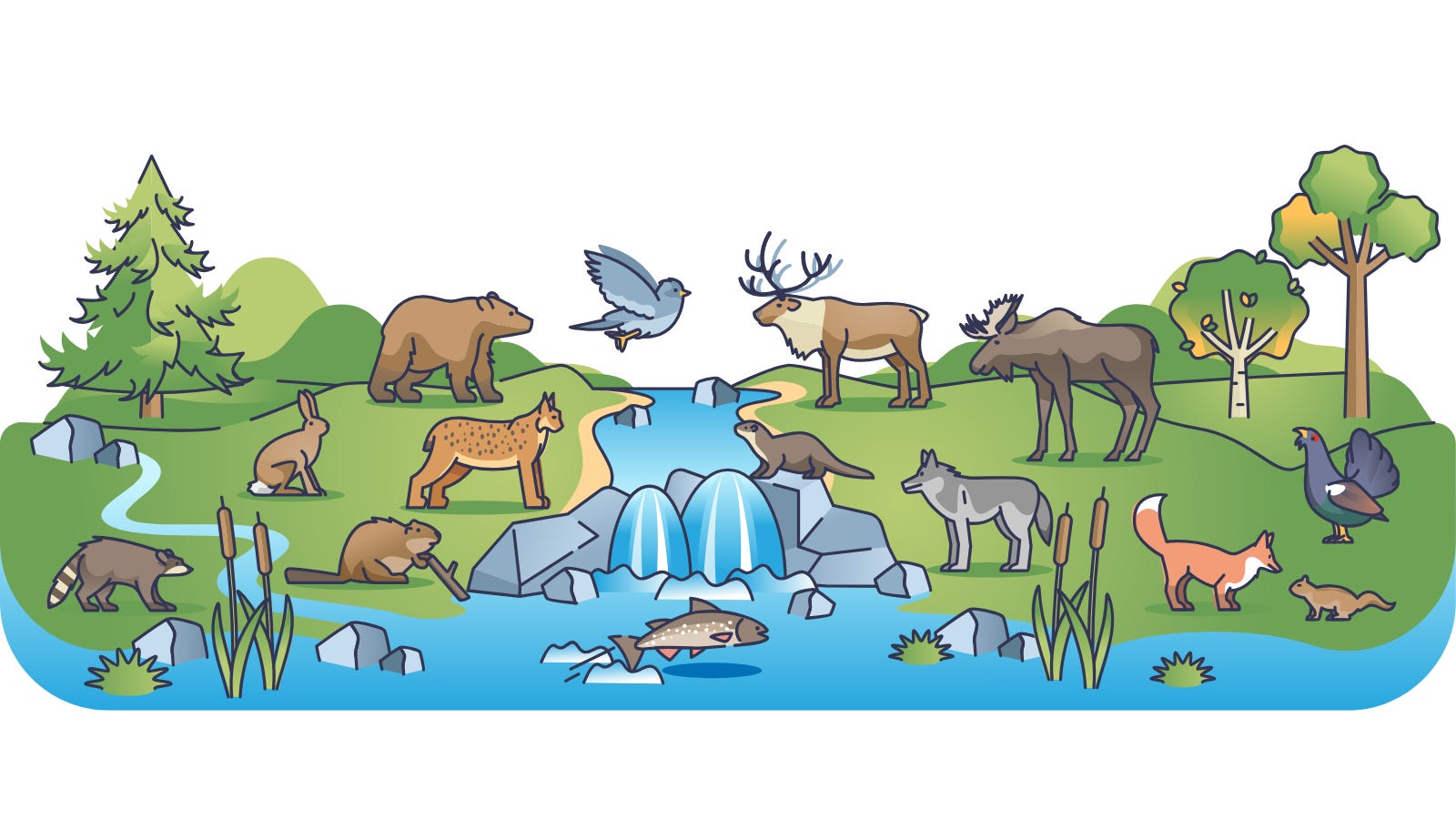
The forest is the spine of the world. It supports about 80% of plants and animals that live on land. Trees within forests provide structure that allows animals to occupy different parts of the forests. You can think of this as different people living in an apartment building - if those people were wild animals (because we are classified as animals). In this apartment, we would have deer on the ground floor, lizards in the middle, and birds on the top floor. This is an oversimplification of a phenomenon called vertical stratification. This is something I talk a little bit about in my paper on structural complexity and biodiversity.
The Liver
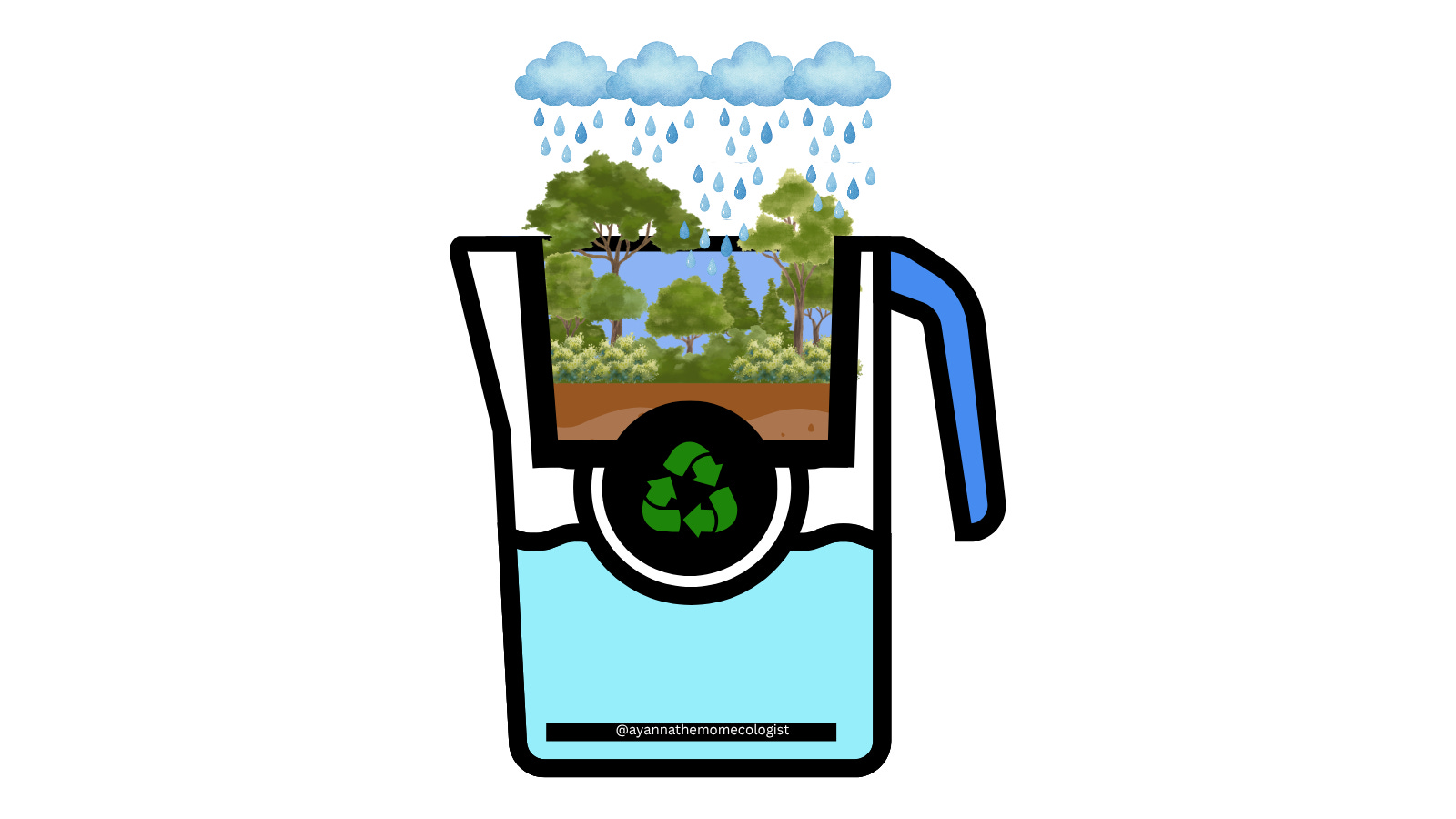
Forests are the liver of the earth. The liver performs many important functions in the body. One of the main functions is to filter impurities from the blood. If there is a body of water moving through a forest, it doesn’t just pass through unchanged. It gets cleaned. The soils in the forest trap pollutants. The microbes (those tiny organisms that you cannot see with the naked eye) in the soil break down many impurities, and roots absorb and store excess nutrients.
The forest, much like the liver, can regenerate if given the right conditions or when it’s, quite simply, left alone.
The Brain
Just like the brain has many neural connections that communicate with each other and tell the body how to function, a forest operates in the same way. Both are very complex. You can think of the forest as a series of networks, including trees, fungi, animals, soil, microbes, and much more. They are all interacting, silently exchanging signals and redistributing resources. As I show in my research, complexity doesn’t come from one point; it emerges from all of these connections between soil, plants, and animals.
Another key function of the brain is emotional regulation.
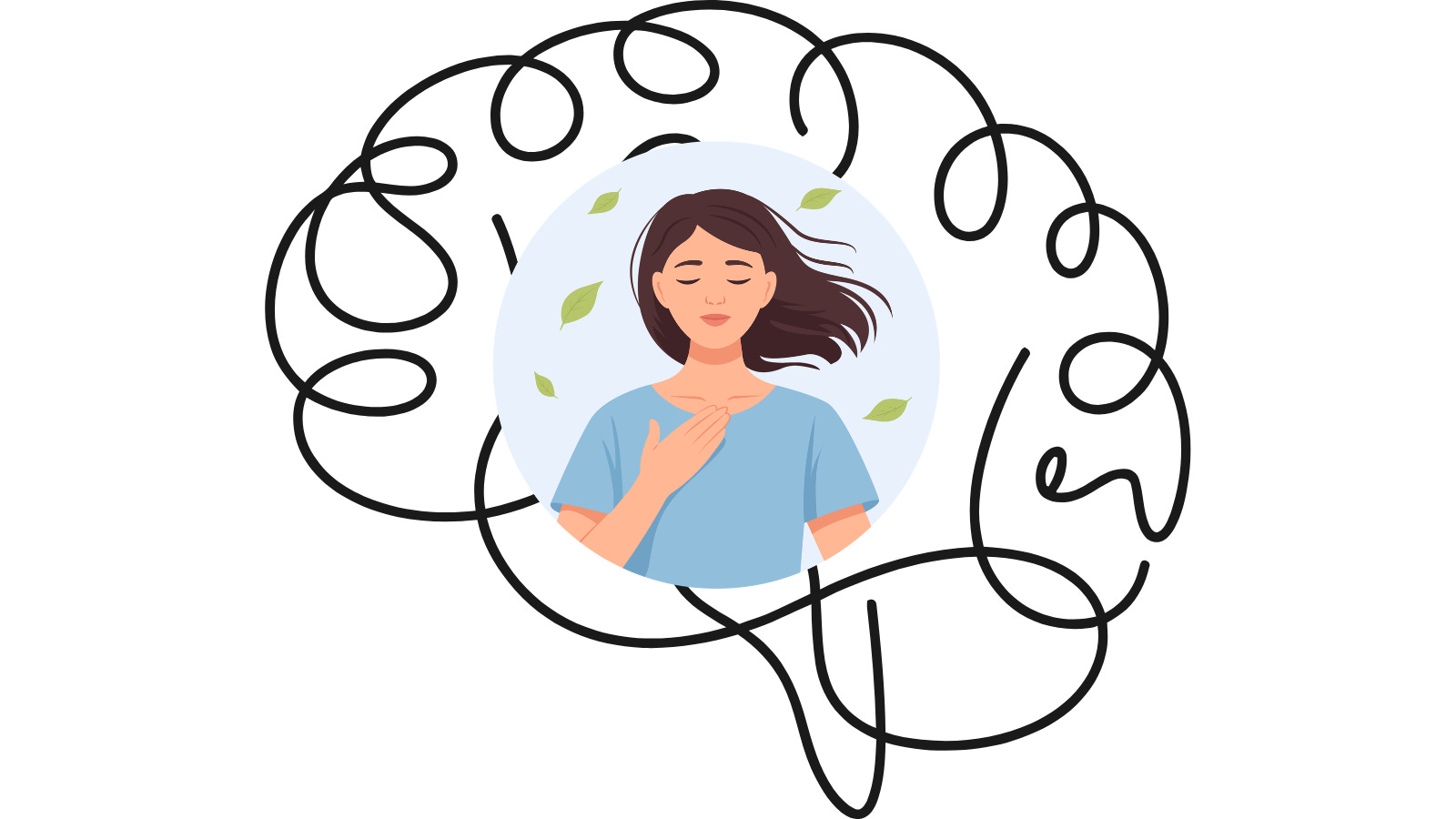
Forests are like our personal AC units. They play an important role in regulating the temperature. But here’s the part that feels less scientific, but is quite the opposite. It is just as real as the former.
Somehow… forests regulate us too.
When you step into a forest, something changes.
Your thoughts slow down.
Your breathing deepens.
And the noise fades.
This is no accident. Our brains respond to our environment. It is well supported that Nature has a positive effect on your mental and physical health.
I don’t know about you, but when I am at home deep in the rainforest of Dominica on a hike to Middleham Falls - don’t mind me, I’m reminiscing right now - the world around me quiets down, and all my troubles fade away.
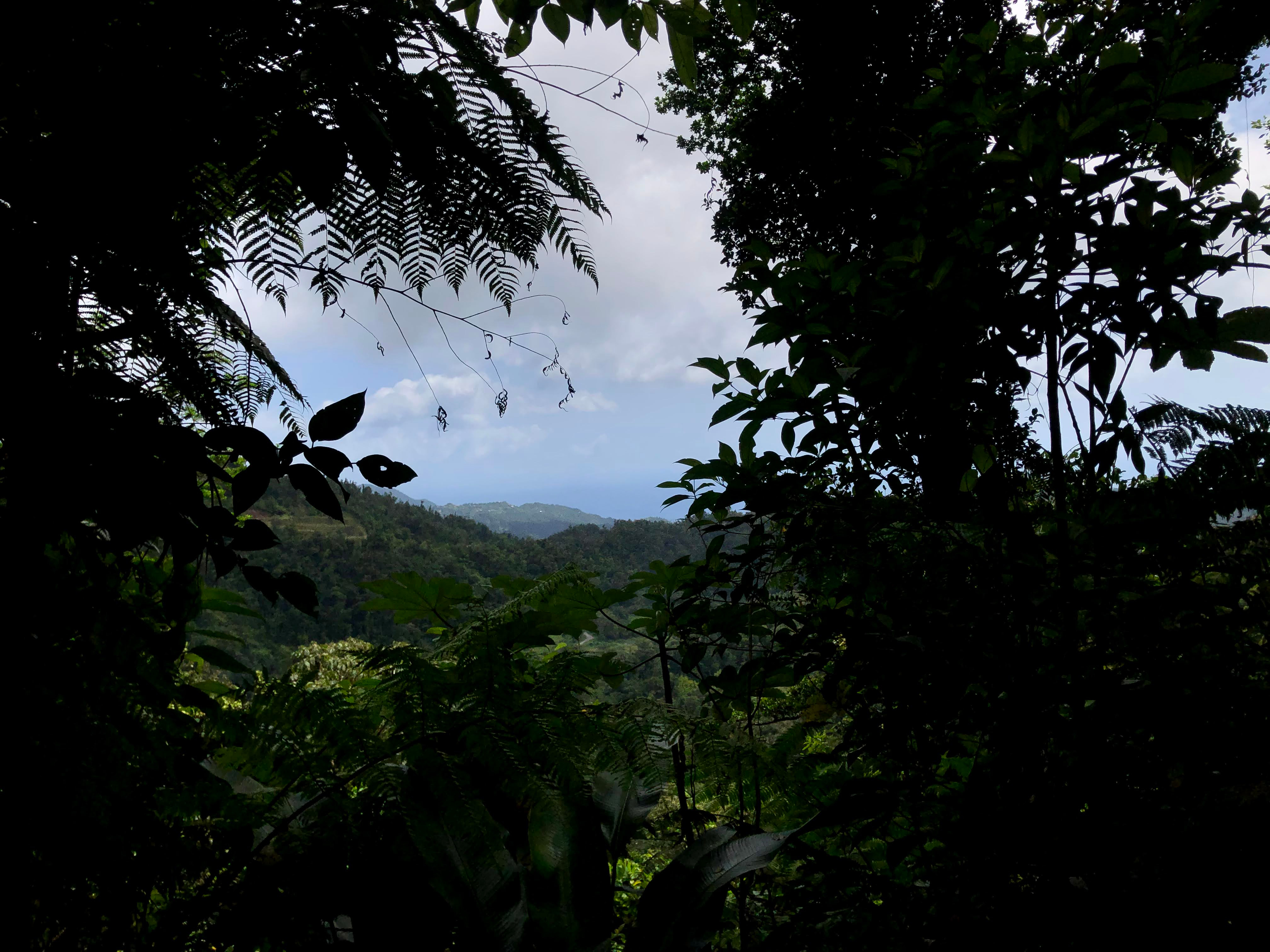
Image of my beautiful view while hiking to Middleham Falls, Dominica, Caribbean Sea
When the system falls into disarray, so do we.
Forests aren’t always stable, oxygen-positive systems. Like a damaged liver, a collapsed lung, a unregulated brain, or an injured spine, sometimes, the forest loses its ability to function as it normally would. Disturbances can be a nuisance if they are too frequent or too extreme. In defeat, the forest lets out many huge sighs, a sign of distress, releasing more carbon dioxide than oxygen.
So it makes sense that we should protect and care for these systems as we would our own body. Cutting down our forests is like removing vital organs and expecting the body to function.
We are removing the liver and expecting purity, the lungs and expecting clean air, the spine and expecting stability, or the brain and expecting regulation and a peace of mind. It is quite simply, a bogus ask.
Forests are complete living systems that, when not stressed or in a changing season, filter, regulate, connect, and stabilize life in and around it.
Maybe the reason forests bring us peace isn’t just aesthetic. Maybe it’s not just because “nature is nice,” or in my case, “trees are beautiful.” Maybe it’s because we’re stepping into a system that is doing exactly what we wish our own minds could do:
Balance.
Regulate.
Hold complexity without collapsing… on its good day. :D
How do you think about the forest? Let me know in the comments.